
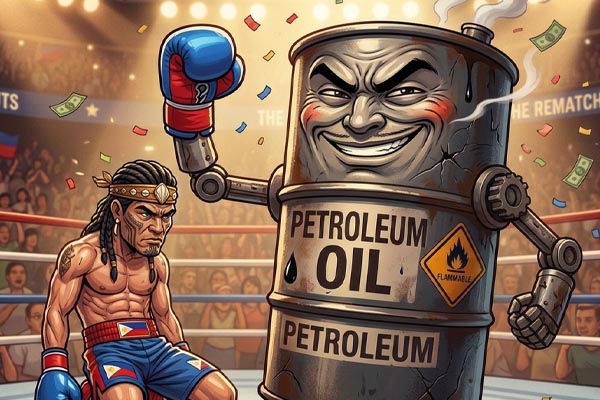
Fueling the Crisis: Why Oil Prices are Surging in 2026 and What It Means for the Philippines
As we navigate through 2026, a familiar and daunting shadow has cast itself over the global economy: surging oil prices. For the Philippines, a nation highly sensitive to global energy shifts, the recent spike at the pumps is not just a matter of convenience—it is a brewing socio-economic crisis. Understanding the "why" behind this hike is essential to grasping the profound impact it is having on millions of Filipinos.
The Global Catalyst: Why is Oil So Expensive Now?
The current energy landscape is the result of a "perfect storm" of geopolitical and economic factors that have converged in 2026. Several key drivers are pushing crude oil prices toward record highs:
- Supply Chain Tightening by OPEC+: Major oil-producing nations have continued to implement strict production quotas. By limiting supply while global demand remains steady, these nations have effectively maintained a "seller's market," driving per-barrel prices upward.
- Geopolitical Instability: Continued tensions in key energy-producing regions, particularly in Eastern Europe and the Middle East, have disrupted traditional shipping routes and increased insurance premiums for oil tankers, costs which are ultimately passed down to the consumer.
- Underinvestment in Fossil Fuels: As the world transitions toward green energy, investment in new oil extraction and refining infrastructure has slowed down. However, since the transition to electric vehicles and renewables is not yet complete, the gap between dwindling supply and persistent demand has widened.
- Currency Fluctuations: With oil traded globally in U.S. Dollars, the weakening of local currencies against the Greenback has made oil imports significantly more expensive for developing nations like the Philippines.
The Filipino Struggle: Why This Hits Home Harder
While oil price hikes are a global phenomenon, the Philippines is uniquely vulnerable. As an import-dependent nation for its fuel needs, any movement in the international market is felt immediately in local gas stations and, subsequently, in every sector of the economy.
1. The Domino Effect on Food Security
In the Philippines, oil and food are inextricably linked. Most agricultural produce is transported from rural provinces to urban centers via trucks. When diesel prices soar, the cost of logistics skyrockets. Consequently, the price of basic commodities like rice, vegetables, and meat rises, making a balanced meal less affordable for the average family.
2. The Crisis in Public Transportation
The backbone of Philippine transport—the iconic Jeepney—runs primarily on diesel. With every price hike, drivers face a harrowing choice: take home less income to their families or petition for fare hikes that burden the commuting public. For the millions of workers who rely on public transport, higher fares mean a significant chunk of their daily minimum wage is evaporated before they even reach their workplace.
3. Inflation and Eroding Purchasing Power
The 2026 oil hike is a primary driver of cost-push inflation. As the cost of electricity (much of which is still generated via fossil fuels) and manufacturing increases, the general cost of living rises. For the millions of Filipinos living near or below the poverty line, there is no "cushion" to absorb these shocks. When the price of basic goods goes up but wages remain stagnant, the quality of life inevitably declines.
Looking Ahead: Navigating a High-Cost Reality
The 2026 oil crisis serves as a stark reminder of the Philippines' need for energy independence. While the government attempts to mitigate the impact through fuel subsidies for the transport sector and social "ayuda" (aid) for the poorest households, these are temporary band-aids on a systemic wound.
As we move further into the year, the resilience of the Filipino spirit is once again being tested. However, resilience alone cannot pay the bills. A strategic shift toward renewable energy, improved public mass transit, and enhanced local food production will be vital if the country is to break free from the volatile cycles of the global oil market.
For now, the message is clear: the oil hike of 2026 is more than just a number on a pump—it is a challenge that requires urgent collective action and empathetic policy-making to protect the most vulnerable members of our society.